
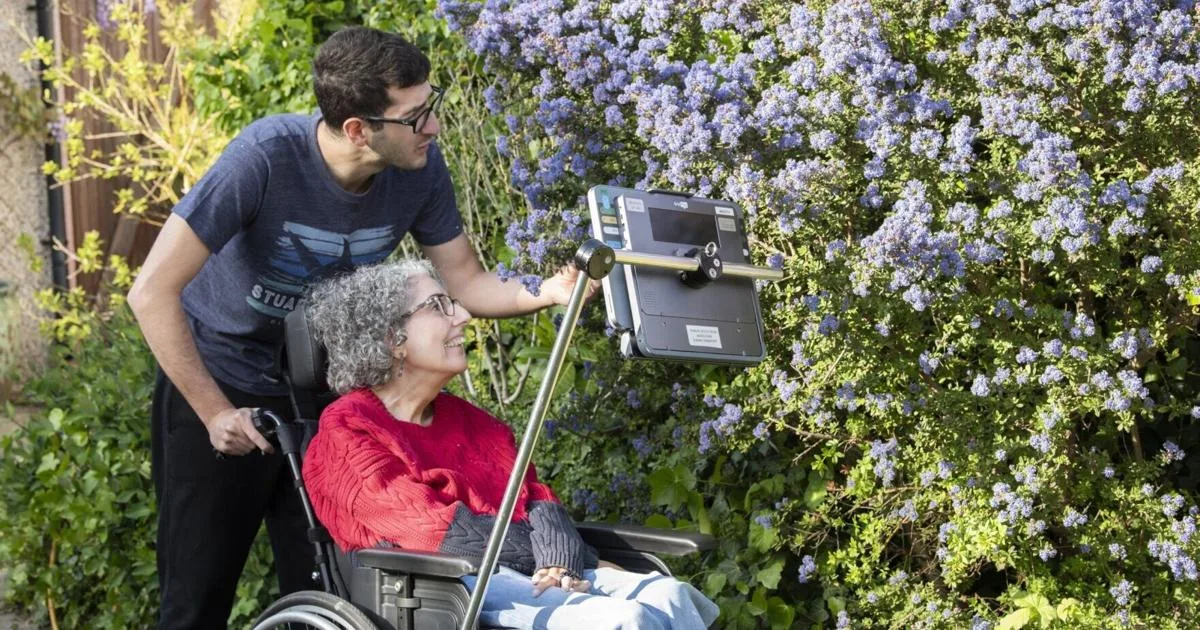
Finding New Ways to Communicate After Losing Your Voice
Imagine losing your ability to speak. This is the reality for many individuals diagnosed with motor neuron disease (MND). MND can significantly impact a person’s life, taking away their voice and affecting their ability to communicate with loved ones. But even without the ability to speak, people find new and innovative ways to connect and express themselves.
Understanding Motor Neuron Disease
Motor neuron disease (MND) is a progressive neurological condition that affects the motor neurons, which control muscle movement. As the disease progresses, it can lead to muscle weakness, difficulty speaking, swallowing, and breathing.
How MND Affects Speech
One of the most challenging aspects of MND is the loss of speech. The muscles that control the voice box and tongue become weakened, making it difficult to produce clear and understandable speech. This can lead to frustration and isolation for those affected.
Alternative Methods of Communication
While losing your voice can be devastating, several alternative communication methods can help individuals with MND stay connected and express themselves. Here are some options:
- Communication Boards: These boards contain letters, words, or pictures that individuals can point to in order to communicate.
- Speech-Generating Devices (SGDs): These electronic devices use synthesized speech to speak for the individual. They can be controlled using various methods, such as eye gaze or head movements.
- Writing and Typing: For those who still have some motor control, writing or typing can be effective ways to communicate.
- Nonverbal Communication: Facial expressions, gestures, and body language can also play a significant role in communication.
The Importance of Support
Living with MND can be challenging, both for the individual and their loved ones. Support groups, therapists, and other healthcare professionals can provide valuable resources and emotional support.
Final Words
Losing your voice can be a life-altering experience, but it doesn’t have to mean losing your ability to communicate. By exploring alternative communication methods and seeking support, individuals with MND can continue to connect with others and live fulfilling lives.


+ There are no comments
Add yours