
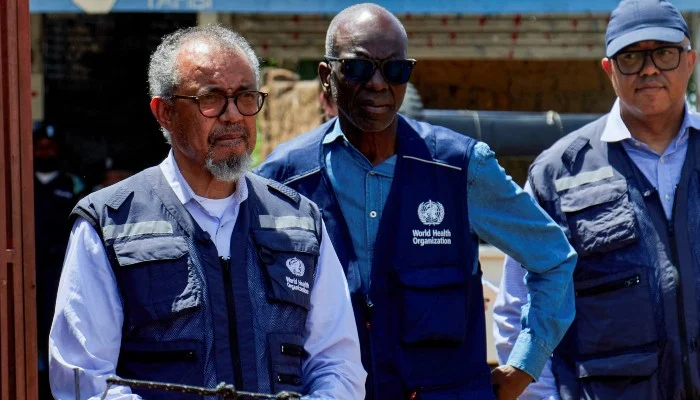
Central Africa Ebola Outbreak Nears 500 Cases: WHO Issues Urgent Warning
Escalating Ebola Crisis in Central Africa
The Ebola outbreak in Central Africa has reached alarming levels, with 471 confirmed cases and 84 deaths reported across the Democratic Republic of Congo (DRC) and Uganda. The World Health Organization (WHO) warns that the epidemic is expanding rapidly, raising fears it could rival the catastrophic 2014 West Africa outbreak, which claimed over 11,000 lives.
In the DRC, officials have documented 452 cases and 82 deaths since the outbreak was declared on May 15. Neighboring Uganda has reported 19 cases and two deaths, underscoring the cross-border spread of the virus. The sudden spike—100 new cases and 20 deaths in just one day—has heightened global concern.
The Bundibugyo Strain Challenge
Unlike previous outbreaks, this crisis is driven by the rare Bundibugyo species of Ebola, for which no approved vaccines or treatments currently exist. This makes containment more difficult and increases reliance on surveillance, infection control, and rapid response measures.
Global Emergency Response
The WHO has declared the outbreak an international public health emergency. Together with the African CDC, the organization has launched a $518 million six-month plan to strengthen laboratory testing, improve infection prevention, and expand surveillance networks.
WHO Director-General Tedros Adhanom Ghebreyesus emphasized the urgency: “The outbreak is moving fast, and we are still playing catch-up. We need to stop the outbreak where it is, support countries responding today, and ensure neighbors are ready to act quickly if cases appear.”
Risk of a Major Epidemic
Experts at the US Centers for Disease Control and Prevention (CDC) warn that without strong interventions, the outbreak could escalate to tens of thousands of cases, mirroring the devastating scale of the 2014 epidemic. Ebola, transmitted through close contact and bodily fluids, has already killed more than 15,000 people in Africa over the past 50 years.
The Path Forward
Stopping the outbreak requires rapid international cooperation, funding, and community engagement. With the virus spreading quickly and limited medical tools available, the focus remains on early detection, isolation, and prevention strategies.
The situation in Central Africa is a stark reminder that global health security depends on swift, coordinated action—and the world cannot afford to delay.