
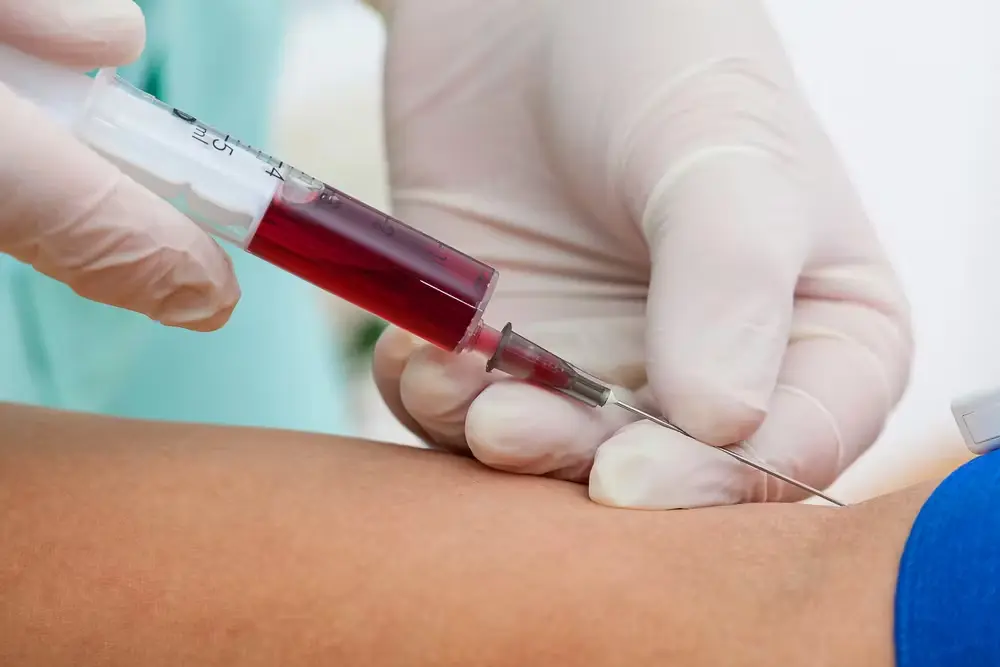
Blood Test Could Spot Lung Cancer Risk Years Before Diagnosis
Breakthrough in Predicting Lung Cancer Risk Through Blood Testing
Researchers have identified a blood-based protein signature that can predict lung cancer risk up to five years before diagnosis. This discovery marks a major step forward in cancer prevention, moving beyond traditional risk models that rely mainly on age and smoking history.
Environmental Triggers and Inflammation
The study highlights how air pollution, cigarette smoke, and coal burning can create an inflammatory environment in the lungs. This environment may “activate” dormant mutated cells, pushing them toward cancer. Importantly, the protein signature reflects this altered inflammatory state rather than the presence of a tumor itself.
Large-Scale Study and Validation
Scientists analyzed blood plasma data from over 48,000 UK Biobank participants. Using machine learning, they identified 14 key proteins linked to future lung cancer diagnoses. The findings were validated across eight international datasets, showing consistent results even among non-smokers exposed to environmental risks.
Shared Mechanisms with Other Lung Diseases
The inflammatory signature was also associated with chronic obstructive pulmonary disease (COPD) and idiopathic pulmonary fibrosis, suggesting a shared mechanism that precedes disease development.
Potential for Targeted Prevention
The research builds on earlier findings about the inflammatory molecule interleukin-1 beta (IL-1β). In mouse models, blocking IL-1β reduced pre-cancerous cells and slowed tumor growth. Re-analysis of the CANTOS clinical trial showed that patients with high protein signature levels had their lung cancer risk reduced by nearly 50% when treated with the IL-1β inhibitor canakinumab.
Toward Precision Prevention
Experts believe this approach could lead to precision prevention strategies, similar to how cholesterol testing guides statin use in heart disease. Instead of treating broad populations, only those with high-risk protein signatures would benefit from preventive therapies, making interventions more efficient.
Expert Perspectives
Cancer specialists describe this breakthrough as a way to detect cancer risk earlier, potentially reducing the burden of late-stage diagnoses. By identifying high-risk individuals years in advance, healthcare systems could shift toward proactive prevention rather than reactive treatment.