
Illegal Kidney Trade Exposed in Islamabad
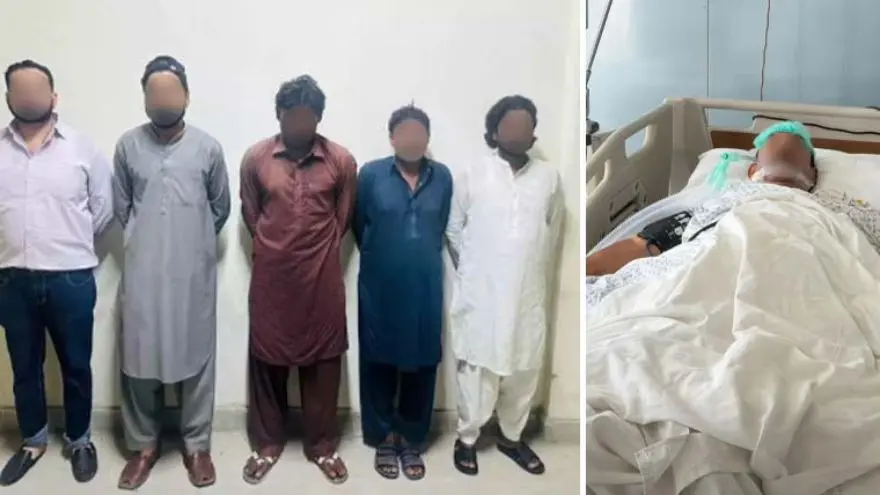
The Federal Investigation Agency (FIA) Anti-Corruption Circle in Islamabad has dismantled an organized kidney smuggling ring after raiding a private hospital. The operation led to the arrest of a senior urologist, a hospital staff member, and nine other individuals linked to the unlawful trade.
How the Raid Unfolded
Acting on intelligence, FIA officials stormed the hospital where illegal kidney removal and transplant procedures were reportedly underway. Investigators confirmed that medical operations were in progress at the time, exposing the network’s active involvement in organ trafficking.
Who Was Arrested
- Senior Urologist: Taken into custody for allegedly leading the illegal transplant activities.
- Hospital Employee: Detained for assisting in unlawful procedures.
- Nine Suspects: Believed to be part of the broader trafficking network, including facilitators and recruiters.
Network Operations
Preliminary findings suggest the group operated covertly, using hospital infrastructure to carry out illegal kidney transplants. The network allegedly recruited donors, coordinated surgeries, and managed financial transactions outside Pakistan’s legal framework for organ transplantation.
Ongoing Investigation
The suspects have been shifted to FIA headquarters for interrogation. Authorities are examining financial records, communication data, and links to other facilitators. Further raids are expected as investigators aim to dismantle the entire network.
Public Health & Legal Concerns
Illegal organ trade poses severe risks to both donors and recipients. Without proper medical oversight, patients face life-threatening complications. Pakistan’s laws strictly prohibit organ trafficking, and this case highlights the urgent need for stronger enforcement and monitoring of private medical facilities.
Key Takeaway
The FIA’s crackdown in Islamabad underscores the seriousness of illegal organ trafficking in Pakistan. By exposing this kidney smuggling ring, authorities have taken a critical step toward protecting vulnerable individuals and ensuring ethical medical practices.