
Pakistan’s Preventive Response to Ebola Outbreak
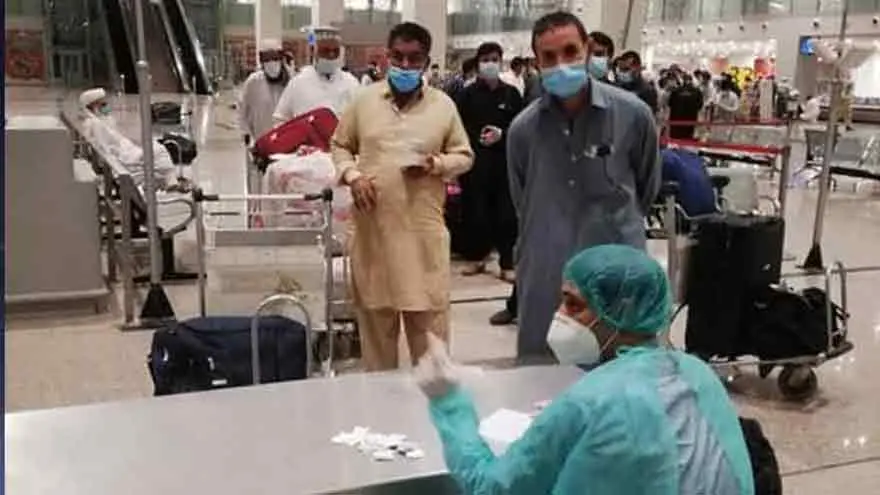
Pakistan has stepped up airport screening measures after the World Health Organization (WHO) declared the Ebola outbreak in Congo and Uganda a global health emergency. While no Ebola cases have been reported in Pakistan, authorities are taking proactive steps to safeguard public health.
Strengthened Screening at Airports
Federal Health Minister Mustafa Kamal directed strict precautionary checks at all airports. Passengers arriving from or traveling to African countries are now subject to enhanced screening, including temperature monitoring, health questionnaires, and surveillance protocols.
Current Risk Status
WHO has confirmed that the outbreak remains confined to Congo and Uganda. Pakistan’s risk is considered very low due to limited travel connections with affected regions. However, vigilance remains a priority to prevent any potential spread.
Preventive Measures in Place
The National Institute of Health (NIH) and the Ministry of Health are on high alert. Provincial health departments and border health services have been instructed to remain prepared. Pakistan has the capacity to diagnose Ebola and has issued directives for immediate response if needed.
Guidance for Travelers
Travelers planning to visit Congo or Uganda are advised to follow WHO health guidelines. Although no travel restrictions have been imposed, precautionary surveillance ensures early detection and safety.
Official Statement
Health Minister Mustafa Kamal emphasized that effective measures are being implemented to protect the public from epidemics. Pakistan continues to coordinate closely with WHO to monitor developments and maintain readiness.
Public Health Context
Ebola spreads through direct contact with bodily fluids of infected individuals. Symptoms include fever, weakness, muscle pain, vomiting, and bleeding. Early detection and isolation are critical to controlling outbreaks.
Key Takeaway
Pakistan’s proactive airport screening reflects a strong commitment to public health. By acting early and following WHO guidance, the country aims to ensure safety while maintaining normal travel operations. This approach highlights the importance of preparedness in preventing global health threats.