
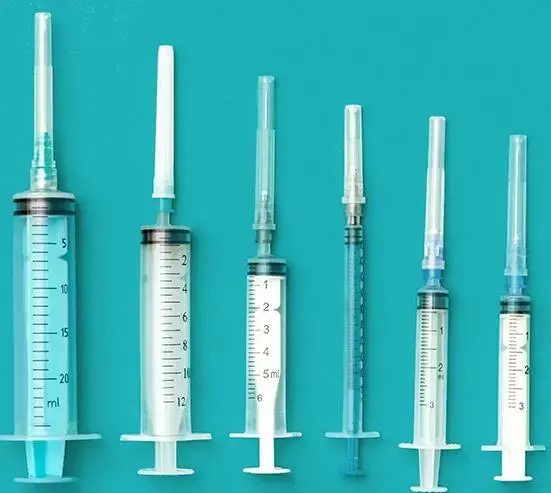
Sindh’s Syringe Safety Crisis: What You Need to Know
The Sindh Drug Testing Laboratory has issued a critical warning after declaring six syringe brands substandard. These syringes, widely available in Karachi markets, failed to meet essential safety standards, particularly in their auto-disable and reuse-prevention mechanisms.
Why This Matters
Faulty syringes are more than just defective products—they are a direct threat to public health. When syringes can be reused, the risk of spreading HIV and hepatitis increases dramatically, putting thousands of lives at risk.
What the Tests Found
- Brands Tested: Both 3 ml and 5 ml syringes from multiple manufacturers.
- Key Failures: Auto-disable features did not function properly.
- Result: Six brands officially labeled as unsafe for medical use.
Official Response
Adnan Rizvi, Director of the Sindh Drug Testing Laboratory, confirmed that the findings have been forwarded to drug inspectors and the Quality Control Board in Karachi. Regulatory action, including recalls and bans, is expected to follow.
Public Health Concerns
Pakistan already faces high rates of hepatitis, and unsafe syringes could worsen the crisis. Medical experts stress the importance of strict quality control and public awareness to prevent further outbreaks.
What Happens Next
Authorities are likely to remove these syringe brands from circulation. Hospitals, clinics, and pharmacies are urged to audit their supplies and ensure they are purchasing from certified manufacturers only.
Key Takeaway
This incident serves as a wake-up call for regulators, healthcare providers, and the public. Ensuring safe medical equipment is not just a technical requirement—it is a matter of national health security.