
Regional Security Collaboration Gains Momentum
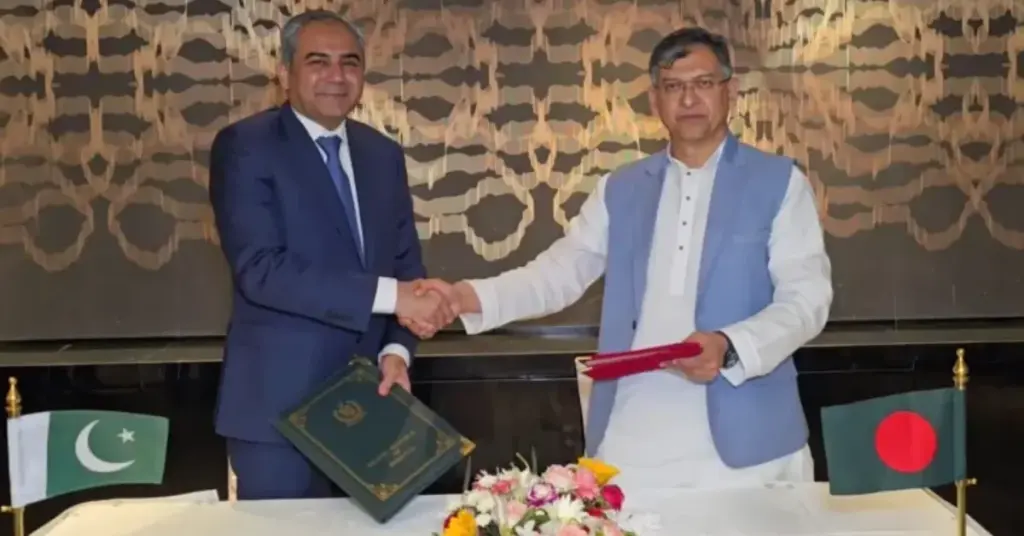
Pakistan and Bangladesh have taken a decisive step toward strengthening regional security by signing a memorandum of understanding (MoU) focused on combating drug trafficking and organized crime. This agreement reflects a shared commitment to tackling narcotics abuse and dismantling cross-border trafficking networks.
During his visit to Dhaka, Pakistan’s Interior Minister Mohsin Naqvi met Bangladeshi Home Minister Salahuddin Ahmed to finalize the deal. Both sides agreed to enhance intelligence sharing, coordinate operations, and adopt modern strategies to curb the illegal drug trade.
The MoU also emphasizes training programs, technology exchange, and capacity building for law enforcement agencies. A secretary-level joint working group will oversee coordination, ensuring that both countries remain aligned in their efforts.
Beyond drug trafficking, discussions extended to counterterrorism, cybercrime, financial fraud, and human trafficking, highlighting the broad scope of cooperation. Pakistan also pledged support for Bangladesh’s Safe City initiatives, offering expertise in developing urban security infrastructure.
This collaboration marks a significant improvement in diplomatic relations between the two nations, which had been strained in recent years. Recent political changes in Bangladesh have opened the door for renewed engagement, with high-level visits and dialogues signaling a fresh start.
Analysts view this partnership as part of a wider effort to rebuild trust and expand cooperation in trade, security, and regional diplomacy. According to the United Nations Office on Drugs and Crime (UNODC), such regional alliances are crucial for addressing transnational crime and narcotics trafficking in South Asia.
By joining forces, Pakistan and Bangladesh are not only addressing immediate threats but also laying the foundation for a safer, more secure region. This agreement underscores the importance of collaboration, intelligence sharing, and modern enforcement strategies in tackling challenges that transcend borders.


+ There are no comments
Add yours