
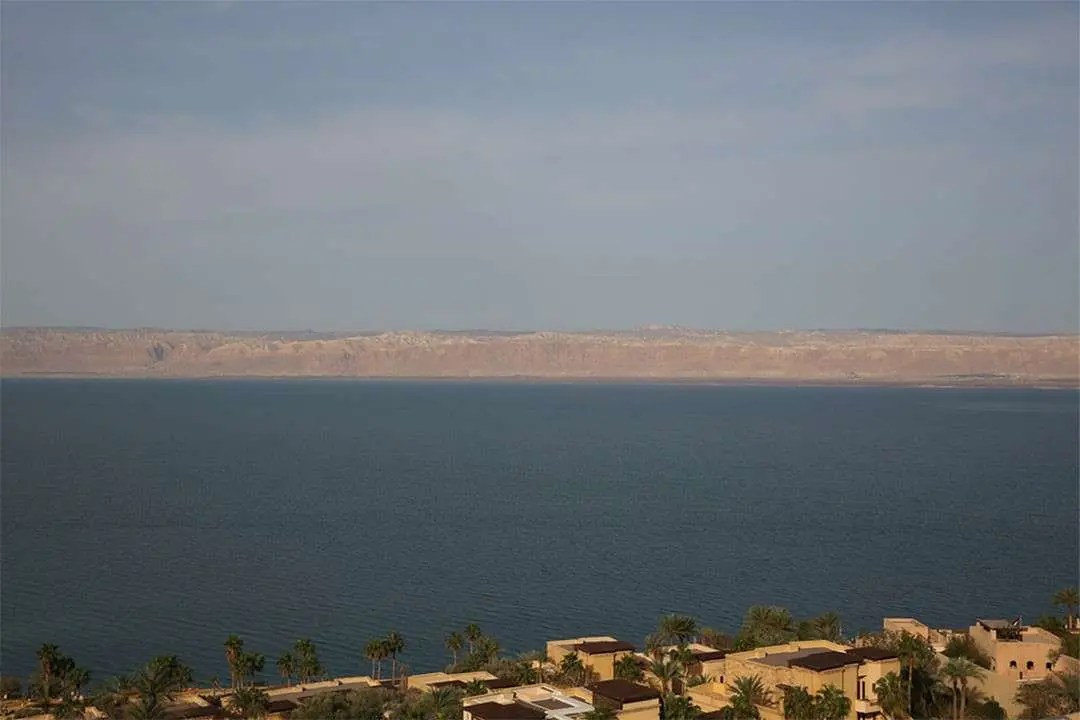
Arab SDG Report 2026: Advancements in Water and Health Amid Instability
Progress and Challenges in Arab SDG Implementation
The UN Economic and Social Commission for Western Asia (ESCWA) has released its 2026 Arab SDG Progress Report, offering a comprehensive overview of achievements and challenges in the region’s pursuit of the Sustainable Development Goals (SDGs).
Despite ongoing instability, the report highlights notable advancements in water, health, and poverty reduction. Improvements in SDG 3 (good health and well-being) and SDG 6 (clean water and sanitation) demonstrate that targeted interventions can deliver results even in difficult contexts. Expanded access to clean water and better healthcare services are helping communities withstand the pressures of conflict and economic uncertainty.
However, the report warns that political instability, economic disparities, and resource scarcity continue to hinder progress in other areas. Goals such as SDG 8 (decent work), SDG 10 (reduced inequalities), SDG 12 (responsible consumption), SDG 13 (climate action), and SDG 15 (life on land) remain far from being achieved.
ESCWA emphasizes the importance of robust data collection and policy alignment. While data availability has improved, significant gaps persist, limiting effective monitoring and accountability. Strengthening national statistical systems through sustainable financing and modernization is seen as essential for evidence-based policymaking.
The report also calls for concentrated action across key transformation pathways, including:
- Sustainable food systems
- Energy transition
- Digital transformation
- Quality education and skills development
- Decent jobs and social protection
- Climate and biodiversity action
These pathways align with the 2023 Global Sustainable Development Report and are considered critical for accelerating progress.
To ensure regional representation at the High-Level Political Forum (HLPF) 2026, ESCWA is convening preparatory sessions in May, focusing on SDGs under review: SDG 6, SDG 7, SDG 9, SDG 11, and SDG 17.
Ultimately, the Arab SDG Report underscores that while progress in health and water is encouraging, the region must address systemic challenges through integrated strategies, stronger institutions, and cross-sector partnerships. Only then can sustainable development goals be achieved in the face of instability and resource constraints.