
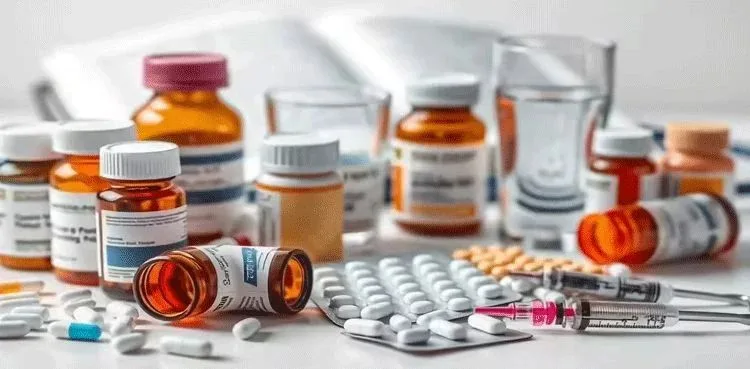
Pakistan’s Healthcare Supply Chain Remains Stable
Pakistan’s Health Minister Syed Mustafa Kamal has reassured citizens that the country faces no medicine shortage despite global shipping disruptions caused by the ongoing conflict involving Iran. Speaking outside the National Assembly, he emphasized that Pakistan currently has four months’ worth of medicine stock, with plans to extend reserves to six months.
The minister highlighted that 85% of medicines used in Pakistan are produced locally, reducing reliance on imports. He further clarified that 90% of raw materials for medicine production come from China, and shipments from there remain unaffected by the Middle East crisis. This strong local production base has allowed Pakistan to maintain stability in its healthcare supply chain.
Concerns had risen after the war disrupted oil and cargo flows through the Strait of Hormuz, a critical global shipping route. However, Kamal assured that there is no emergency in Pakistan’s healthcare sector, and all supplies are under control.
The government has also ruled out any price hikes. Kamal stated that regulated medicine prices cannot be increased “even a single penny”, and authorities are closely monitoring both regulated and deregulated medicines. Since the war began on February 28, there have been no increases in medicine prices.
The Drug Regulatory Authority of Pakistan (DRAP) has echoed these assurances, confirming that the supply of medicines and medical devices remains satisfactory. DRAP has advised manufacturers to adopt contingency plans, multiple sourcing strategies, and geographically diverse channels to strengthen resilience against future disruptions.
This proactive approach demonstrates Pakistan’s commitment to safeguarding public health during global crises. By combining strong local production, strategic reserves, and regulatory oversight, the country is ensuring that patients continue to receive uninterrupted access to essential medicines.
Pakistan’s stance highlights the importance of self-reliance in healthcare and the resilience of its pharmaceutical industry, even in the face of international conflict and supply chain challenges.

+ There are no comments
Add yours