
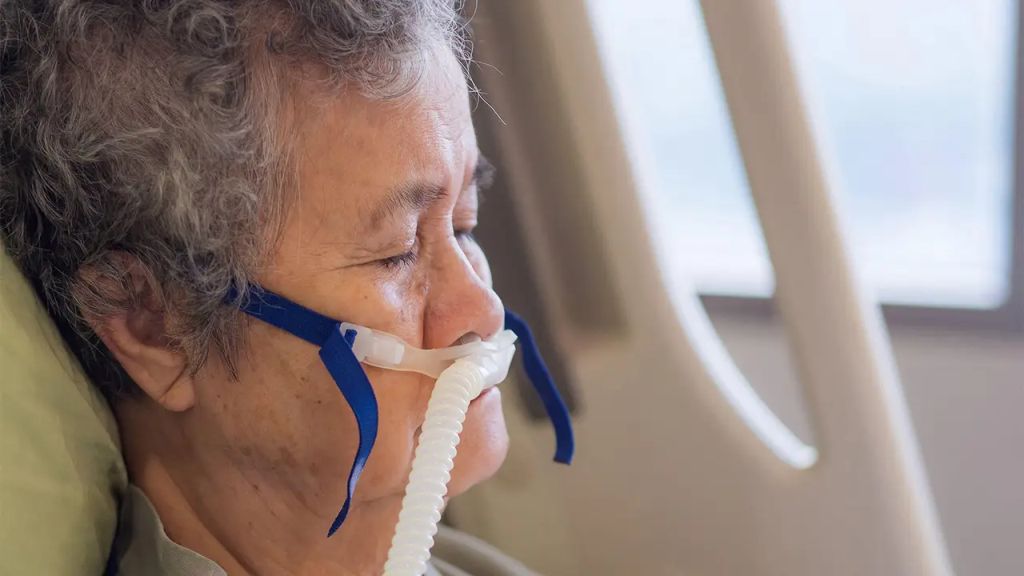
Transforming Critical Care Through Evidence-Based Practices
Critical care medicine is undergoing a significant transformation as new research challenges long-standing practices in intensive care units. Recent findings suggest that while traditional interventions have saved lives, some may need reevaluation to ensure better patient outcomes.
Mortality rates and recovery statistics remain central to the discussion. Studies highlight that certain ICU protocols, once considered standard, may not deliver the expected benefits. At the same time, innovative approaches and advanced monitoring technologies are showing promise in improving survival and reducing complications.
One of the most important shifts is the move toward precision medicine in critical care. By tailoring interventions to individual patient needs, clinicians can reduce risks and enhance recovery. This personalized approach is supported by data-driven insights, helping doctors anticipate complications before they escalate.
Technology is playing a pivotal role in this evolution. AI-driven monitoring systems and predictive analytics are being tested to provide real-time alerts, allowing medical teams to respond faster and more effectively. These tools are not only improving patient safety but also optimizing resource use in busy ICUs.
Researchers emphasize the need for ongoing trials and better data collection to refine treatment strategies. The goal is clear: to build a critical care system that is more responsive, efficient, and aligned with patient-centered outcomes.
As hospitals worldwide face increasing demand and rising costs, these advancements in critical care offer hope for a more sustainable and effective future. The message is simple yet powerful—rethinking ICU practices today can save more lives tomorrow.Focus keyphrase


+ There are no comments
Add yours