
Delays in Pricing Notifications Threaten Patient Care
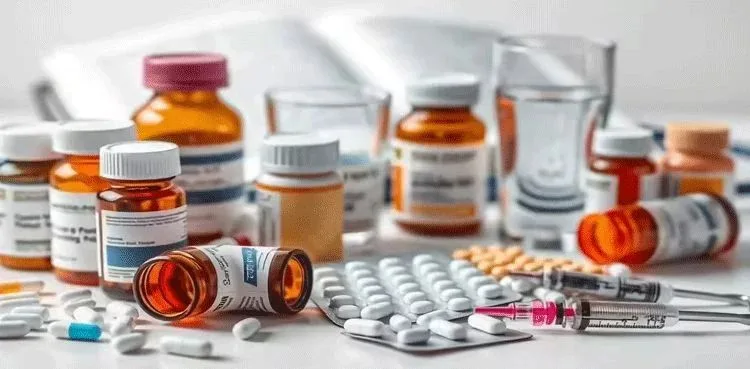
Pakistan is grappling with a severe shortage of critical medicines, sparking concern among doctors, patients, and the pharmaceutical industry. The scarcity includes advanced cancer therapies, transplant drugs, cardiac treatments, and essential vaccines, leaving thousands of patients without access to modern healthcare solutions.
Industry representatives stress that the crisis is not due to international supply disruptions. Most pharmaceutical raw materials and medicines are imported from China, which remains commercially active. Instead, the bottleneck lies in delays in official price notifications by the federal government. Without approved pricing, companies cannot legally import or distribute medicines, creating a dangerous gap in availability.
Among the most affected are oncology drugs such as nivolumab, pembrolizumab, and nilotinib hydrochloride—considered standard treatments for leukemia and other advanced cancers. Patients requiring tacrolimus hydrochloride for organ transplant rejection and verapamil hydrochloride for cardiac therapy are also struggling to find supplies. Additionally, vaccines for typhoid, polio, and pneumococcal disease are reported to be in short supply.
Healthcare professionals warn that the absence of these medicines deprives patients of therapies that could significantly improve survival and quality of life. Dr. Hira Ahmed, a senior oncologist, emphasized that “patients are being denied access to internationally recognized treatments that could extend lives and reduce suffering.”
The pharmaceutical industry cautions that prolonged delays in price fixation may push desperate patients toward unregulated markets, where counterfeit or substandard medicines pose serious risks. Such outcomes could undermine trust in the healthcare system and worsen public health outcomes.
This shortage highlights the urgent need for policy reform and faster regulatory processes. Experts argue that timely government action is essential to ensure uninterrupted access to life-saving medicines and to protect patients from unsafe alternatives.
For families across Pakistan, the crisis is more than a policy issue—it is a matter of survival. Without immediate intervention, the shortage of critical medicines could escalate into a nationwide health emergency, underscoring the importance of prioritizing patient welfare over bureaucratic delays.


+ There are no comments
Add yours