
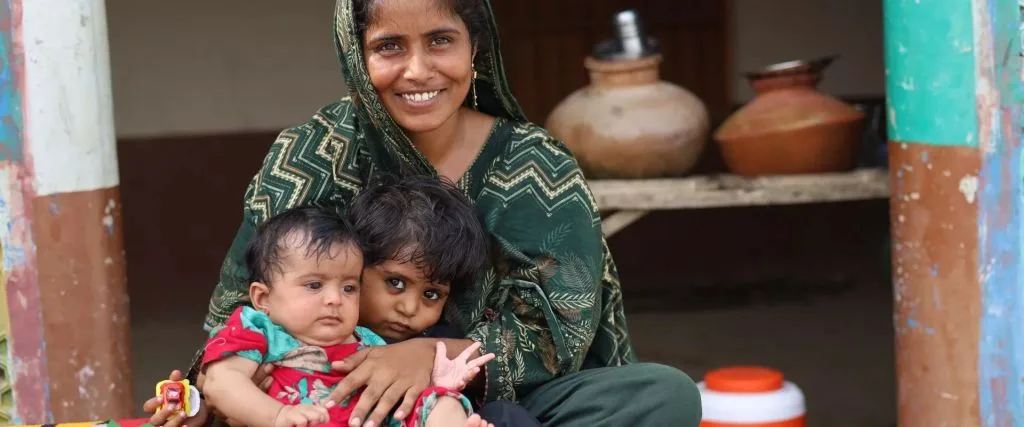
Water Scarcity and Its Human Toll in Sindh
Sindh, one of Pakistan’s most vulnerable provinces, is facing a deepening water crisis that threatens both health and livelihoods. Families across rural districts are struggling with limited access to clean drinking water, forcing many to rely on contaminated sources. This has led to a surge in waterborne diseases such as diarrhea, cholera, and typhoid, disproportionately affecting children.
The crisis is not only a health emergency but also an economic one. Agriculture, the backbone of Sindh’s rural economy, depends heavily on water availability. With rivers and canals running dry, farmers are unable to irrigate their fields, leading to crop failures and food insecurity. Livestock, another critical source of income, is also suffering from dehydration and disease.
Women and children bear the greatest burden. In many communities, women walk long distances to fetch water, often from unsafe sources. This daily struggle exposes them to physical strain and social risks, while children miss school to help their families cope. The lack of clean water also undermines nutrition, as contaminated supplies contribute to malnutrition and stunted growth among young children.
Climate change has intensified the crisis. Rising temperatures, erratic rainfall, and reduced river flows have made water scarcity more severe. Communities that once relied on predictable seasonal patterns now face uncertainty, leaving them more vulnerable to shocks.
Organizations like Action Against Hunger are working to provide relief by improving water access, promoting hygiene practices, and supporting nutrition programs. However, experts stress that long-term solutions require investment in sustainable water management, infrastructure repair, and stronger climate resilience policies.
Sindh’s water crisis is a stark reminder that access to clean water is not just a basic need—it is the foundation of health, education, and economic stability. Without urgent action, millions of families risk being trapped in a cycle of disease and poverty.
This unfolding emergency calls for collective responsibility: from policymakers to humanitarian organizations, and from local communities to international partners. Only through coordinated efforts can Sindh move toward a future where safe water is a right, not a privilege.



+ There are no comments
Add yours