
Mpox Cases Trigger Provincial Health Alert
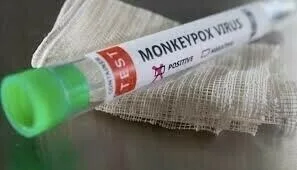
The Health Department of Khyber Pakhtunkhwa has officially confirmed 26 cases of mpox (monkeypox), prompting a province-wide alert to strengthen disease surveillance and hospital preparedness.
According to officials, hospitals across the province have been instructed to set up isolation wards and ensure that medical staff are trained to identify and manage suspected cases. The department emphasized that early detection and isolation are critical to preventing further spread.
Mpox, a viral disease similar to smallpox but generally less severe, spreads through close contact with infected individuals, animals, or contaminated materials. Symptoms include fever, body aches, swollen lymph nodes, and a distinctive rash that progresses through several stages.
Health experts warn that while the number of confirmed cases remains limited, the risk of community transmission is real. They urge the public to:
- Practice good hygiene, including frequent handwashing.
- Avoid close contact with individuals showing symptoms.
- Report suspected cases immediately to local health authorities.
The Health Department has also launched awareness campaigns to educate communities about mpox symptoms and preventive measures. Officials stress that misinformation must be avoided, and accurate information should guide public response.
Civil society groups and medical professionals have welcomed the alert, noting that proactive measures are essential to prevent the outbreak from escalating. They highlight the importance of transparent communication and community engagement in building trust and ensuring compliance with health guidelines.
For families, the alert means staying vigilant and seeking medical care promptly if symptoms appear. For policymakers, it underscores the need to strengthen Pakistan’s infectious disease monitoring systems and ensure resources are available for rapid response.
The confirmation of 26 mpox cases in Khyber Pakhtunkhwa is a reminder that public health resilience depends on preparedness, awareness, and swift action. Authorities continue to monitor the situation closely, with further updates expected as investigations progress.


+ There are no comments
Add yours