
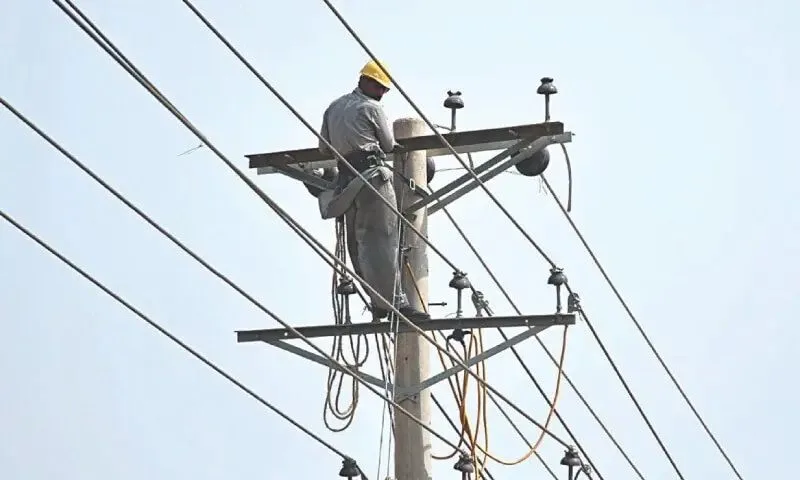
Karachi’s Laborers Struggle Amid Energy Crisis and Climate Change
Karachi, Pakistan’s largest city, is grappling with a dual crisis: frequent power outages and intensifying climate change. A recent study has shed light on how these challenges are hitting the city’s labor force, particularly those working in informal sectors and outdoor environments.
Researchers found that daily wage earners and industrial workers are among the hardest hit. Power outages disrupt factory operations, reduce working hours, and cut into earnings. For laborers who rely on consistent shifts, even a few hours without electricity can mean losing a day’s income.
Climate change compounds the problem. Rising temperatures and prolonged heatwaves expose workers to dangerous conditions. Many laborers, especially those in construction and transport, face heat stress, dehydration, and increased risk of illness. Without reliable electricity, cooling systems and fans remain inaccessible, leaving workers vulnerable to extreme heat.
The study also highlights the economic ripple effect. Reduced productivity in Karachi’s labor force affects supply chains, slows industrial output, and increases costs for businesses. This not only impacts workers but also weakens the city’s overall economic resilience.
Public health concerns are growing as well. Experts warn that prolonged exposure to heat and poor working conditions can lead to chronic health issues. Laborers often lack access to proper healthcare, making them more susceptible to long-term damage.
The findings call for urgent action. Policymakers are urged to strengthen Karachi’s energy infrastructure, invest in renewable energy, and implement climate adaptation strategies. At the same time, worker protection measures—such as shaded workspaces, hydration stations, and flexible working hours—are essential to safeguard laborers’ health.
Karachi’s laborers form the backbone of the city’s economy. Addressing the twin challenges of power outages and climate change is not just about improving working conditions—it’s about ensuring the sustainability of Pakistan’s largest urban workforce.


+ There are no comments
Add yours