
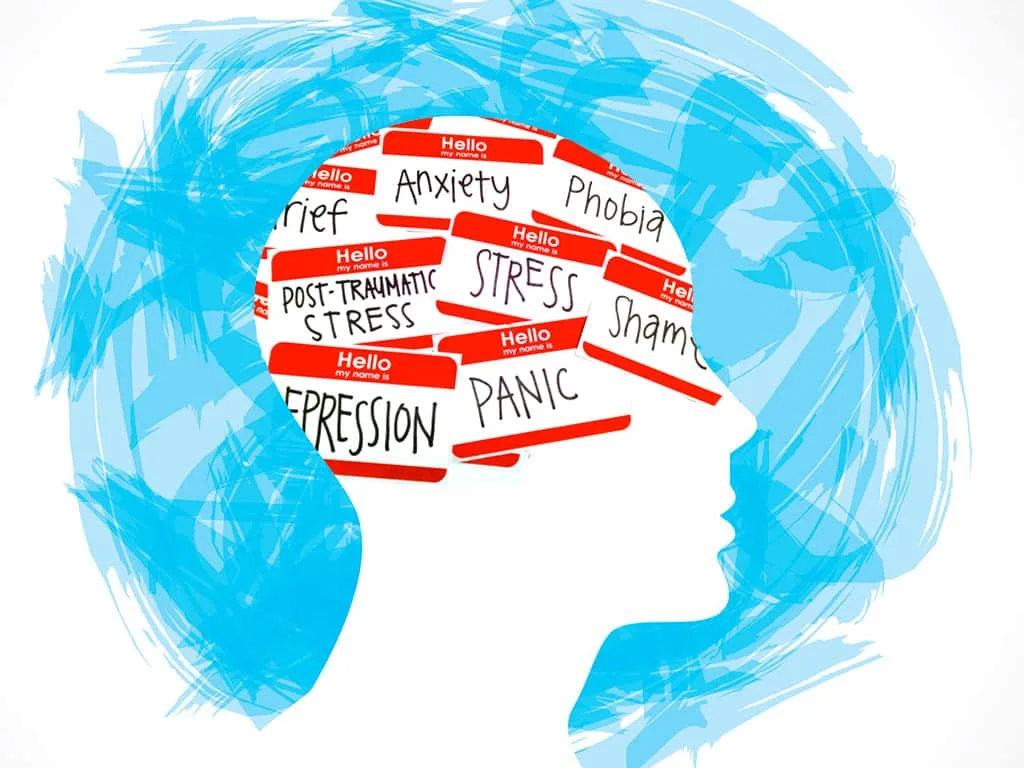
Breaking the Silence on Mental Health in Pakistan
Mental health in Pakistan is often overshadowed by physical health concerns, despite being equally vital to overall wellbeing. The World Health Organization defines health as complete physical, mental, and social wellbeing—not merely the absence of disease. Yet, Pakistan continues to struggle with addressing mental health needs.
Studies reveal that 10 to 16 percent of adults suffer from anxiety and depression, while 1 to 2 percent live with severe conditions such as schizophrenia and bipolar disorder. Adolescent and child mental health disorders are also on the rise. Compounding the crisis, around four million people use illicit drugs, with heroin, marijuana, and benzodiazepines among the most common.
The shortage of professionals is alarming. With only about 400–564 psychiatrists serving a population of over 240 million, Pakistan has just 2–3 psychiatrists per million people—far below international standards. Although there are roughly 3,000 clinical psychologists, the numbers remain insufficient to meet the growing demand.
Stigma remains one of the biggest barriers. Families often hide mental illness out of fear of social judgment, reinforcing the harmful “log kya kahengay” mindset. Emotional suffering is silenced, vulnerability mocked, and endurance praised, leaving individuals to mask their struggles instead of seeking help.
Economic realities further complicate access. Mental healthcare is often seen as a privilege, with inflation and limited resources pushing treatment out of reach for many families. Public services exist but vary in quality, while private care remains concentrated in urban centers, creating deep inequalities.
Cultural and religious beliefs also shape perceptions. Many view mental illness as punishment, weakness, or even supernatural possession. While faith can provide resilience and comfort, reliance solely on spiritual remedies often delays medical treatment, worsening conditions.
Gender norms add another layer of complexity. Men are pressured to appear strong, discouraging them from seeking help, while women face higher rates of depression and anxiety due to societal inequalities. Children and students are also vulnerable, with academic pressure fueling stress, anxiety, and burnout in the absence of proper counseling support.
Pakistan spends just $9.31 per person annually on mental health—far below the recommended $60. Without significant investment, awareness campaigns, and systemic reforms, millions will continue to suffer in silence.
The path forward requires breaking stigma, expanding access, and integrating mental health into mainstream healthcare. By acknowledging emotional wellbeing as a shared responsibility, Pakistan can build a future where seeking help is seen not as weakness, but as strength.


+ There are no comments
Add yours