
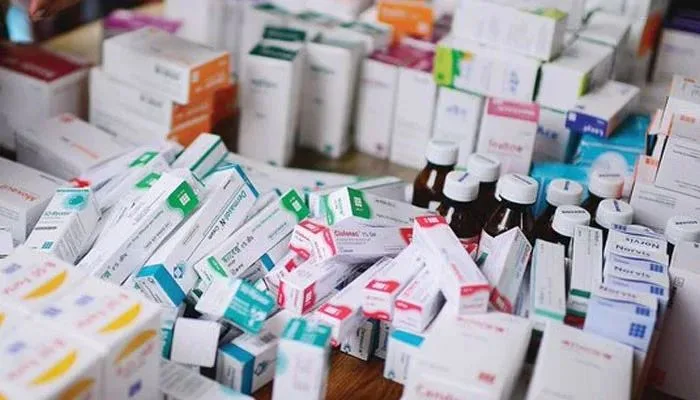
Balancing Medicine Prices and Patient Access in Pakistan
The government has decided to maintain its drug deregulation policy, keeping prices of non-essential medicines outside direct state control. Officials argue that this approach has improved supply chains and reduced frequent shortages, ensuring that patients have better access to a wider range of medicines.
Under the current framework, essential and life-saving drugs remain regulated to protect vulnerable patients. However, deregulation of non-essential medicines has sparked debate, with critics warning that rising costs could place an additional burden on households already struggling with healthcare expenses.
Supporters of the policy highlight that deregulation has encouraged pharmaceutical companies to expand production and introduce new products. Industry reports suggest that deregulated pricing, combined with lower costs of imported raw materials, has boosted profitability and strengthened the sector’s growth outlook.
On the other hand, concerns remain about affordability. Patient advocacy groups argue that unchecked pricing could limit access for low-income families, particularly in rural areas where healthcare options are already scarce. Some policymakers have also raised alarms about potential cartel-like behavior among pharmaceutical firms, which could undermine competition and drive prices higher.
The government insists that the policy is designed to balance market efficiency with patient welfare. By regulating essential medicines while allowing flexibility for non-essential drugs, officials believe they can sustain supply stability without stifling industry growth.
As Pakistan’s healthcare system evolves, the challenge will be ensuring that deregulation benefits both patients and the pharmaceutical sector. Striking the right balance between affordability and availability remains critical to building a resilient healthcare framework for the future.



+ There are no comments
Add yours