
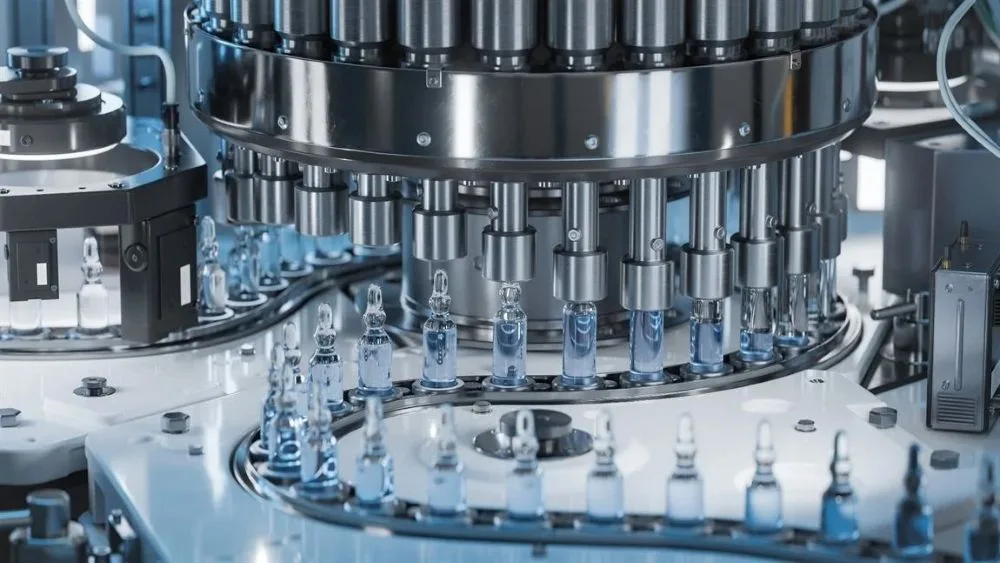
Pakistan’s Push for Self-Sufficient Vaccine Production
Pakistan is taking bold steps to secure its healthcare future by collaborating with global partners to establish a local vaccine manufacturing plant. With international subsidies for vaccine procurement set to end by 2031, the country is preparing to meet its growing demand independently.
Currently, Pakistan receives vaccines at concessional rates through organizations such as Gavi, WHO, UNICEF, and the Bill & Melinda Gates Foundation. However, this support will gradually decline, leaving Pakistan to bear the full cost of vaccine procurement—estimated to rise to $1.2 billion annually by 2031.
To address this challenge, the Ministry of National Health Services has engaged with Saudi Arabia and Indonesia. A high-level Saudi delegation recently visited Pakistan, assessing local capacity and expressing strong interest in collaboration. Meanwhile, Indonesia’s state-owned biopharmaceutical company has assured full cooperation, including technology transfer, with agreements nearing finalization.
Federal Minister Syed Mustafa Kamal emphasized that prevention is the cornerstone of healthcare, and vaccines remain the first line of defense against disease. Pakistan’s national immunization program already provides free vaccinations against 13 diseases to millions of children annually. Yet, with demand expected to reach 140 million doses per year, local production must scale up to at least 300 million doses to ensure economic viability and allow for exports.
The government has introduced its first-ever National Vaccine Policy, which includes forming a Vaccine Alliance, allocating specific vaccines to selected manufacturers, and offering buy-back guarantees to ensure commercial sustainability. Industry leaders believe this initiative could position Pakistan as a regional hub for vaccine production, reducing dependency on imports and strengthening healthcare resilience.
By investing in local vaccine manufacturing, Pakistan is not only safeguarding public health but also creating opportunities for economic growth and global partnerships. This project represents a turning point in the country’s healthcare journey—one that could secure both lives and livelihoods for decades to come.Focus keyphrase


+ There are no comments
Add yours