
WHO Urges Taliban to Lift Restrictions on Female Aid Workers After Deadly Earthquakes
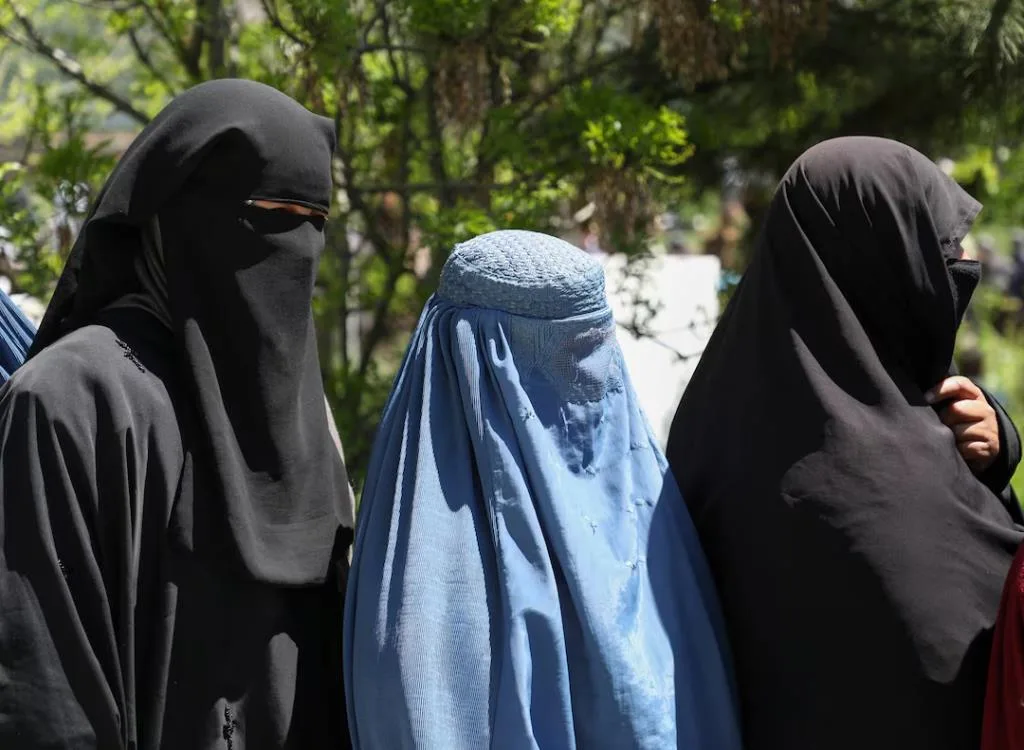
A Humanitarian Crisis Deepens in Afghanistan In the wake of a devastating magnitude-6 earthquake that struck eastern Afghanistan on September 1, killing over 2,200 people and injuring more than 3,600, the World Health Organization (WHO) has issued an urgent appeal to the Taliban government. The organization is calling for the immediate lifting of restrictions on female aid workers, whose absence is severely hampering relief efforts for Afghan women.
Barriers to Care for Women and Girls Under current Taliban policies, female aid workers are required to travel with male guardians—a rule that has made it nearly impossible for many to reach affected areas. With around 90% of medical staff in these regions being male, women are often reluctant or unable to seek care due to cultural norms and safety concerns.
Pregnant Women and Trauma Victims at Risk The crisis is especially dire for the estimated 11,600 pregnant women impacted by the earthquakes. Afghanistan already has one of the highest maternal mortality rates in Asia, and the lack of female medical professionals is pushing many women into life-threatening situations. Trauma victims, including those who lost male family members, are also struggling to access mental health support due to mobility restrictions and the absence of female counselors.
Health System on the Brink The situation is compounded by severe funding cuts, including reductions in U.S. aid, which have led to the closure of over 80 health facilities in the affected areas this year alone. An additional 16 health posts were damaged or destroyed by the earthquake, further straining the already fragile healthcare infrastructure.
WHO’s Plea for Immediate Action Dr. Mukta Sharma, WHO’s deputy representative in Afghanistan, emphasized the urgency of deploying more female health workers. “This is the time you really need to have more female health workers present,” she said, urging Taliban authorities to allow exemptions and facilitate emergency access for women professionals.
Conclusion: A Call for Compassion and Reform The WHO’s appeal underscores the critical need for inclusive humanitarian policies in Afghanistan. Without female aid workers, thousands of women remain cut off from essential medical and psychological care. As the country grapples with the aftermath of natural disaster and ongoing humanitarian challenges, lifting these restrictions could save lives and restore dignity to those most affected.


+ There are no comments
Add yours