
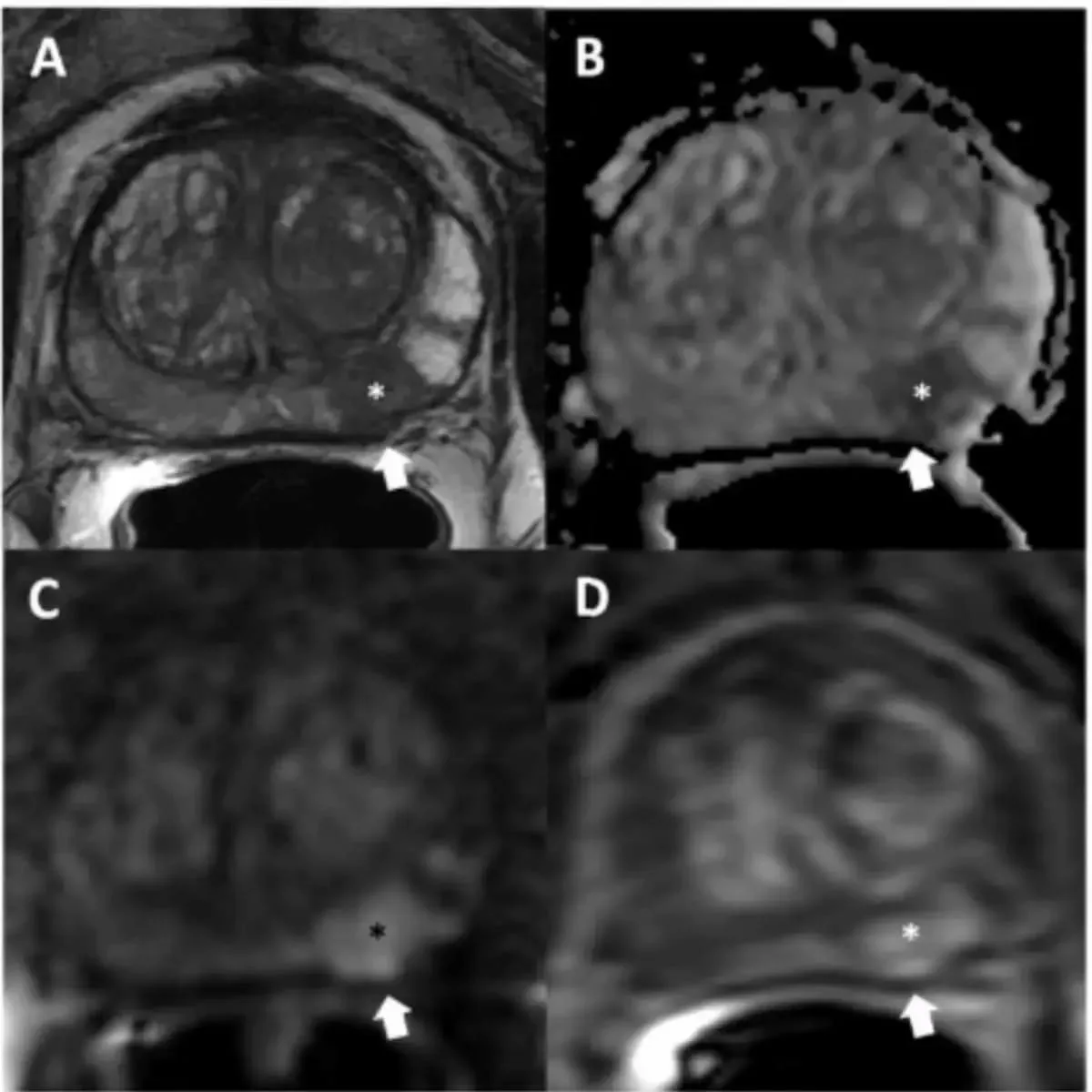
MRI-Based Scoring Systems for Prostate Cancer Staging: A Review
Accurate staging of prostate cancer (PCa) is crucial for effective treatment planning. A recent review delves into the use of MRI-based scoring systems in determining the T-stage of PCa, examining key findings and principles for evaluating the extent of lesions.
Understanding the Evaluation of Prostate Cancer Lesions
The review emphasizes the importance of understanding how MRI can effectively visualize and assess PCa lesions. Key considerations include:
- Lesion Size and Location: Precisely measuring the size and pinpointing the location of tumors within the prostate gland.
- Extracapsular Extension: Identifying whether the cancer has spread beyond the prostate capsule.
- Seminal Vesicle Invasion: Determining if the cancer has invaded the seminal vesicles.
The Role of Specificity in PCa Staging
One of the central questions explored in the review is whether prioritizing specificity in MRI assessments could improve the accuracy of PCa staging. Specificity refers to the ability of the MRI to correctly identify the absence of advanced disease, reducing the likelihood of false positives.
Key Literature Findings
The researchers analyzed various studies to understand the strengths and limitations of different MRI-based scoring systems. Some key findings include:
- Variations in diagnostic accuracy among different scoring systems.
- The impact of MRI technique and interpretation on staging outcomes.
- The potential for improved staging with enhanced MRI protocols.
Potential Benefits of Enhanced Specificity
Focusing on specificity may lead to several benefits:
- Reduced Over-Treatment: More accurate staging could prevent unnecessary aggressive treatments in patients with localized disease.
- Improved Treatment Planning: Precise staging informs better-tailored treatment strategies.
- Enhanced Patient Outcomes: Ultimately, more accurate staging can lead to better outcomes and quality of life for patients.
Final Overview
This review highlights the critical role of MRI-based scoring systems in T-staging of prostate cancer. By focusing on key principles and exploring the potential benefits of enhanced specificity, researchers aim to refine staging accuracy and improve patient care.



+ There are no comments
Add yours